
Kenya is marking a historic milestone as world-renowned scientists, public health officials, and vaccine developers convene in Nairobi for the inaugural East Africa edition of the Global Symposium on Streptococcus agalactiae Disease (ISSAD) conference on Group B Streptococcus (GBS).
The high-level gathering places regional voices at the centre of global efforts to address a bacterium that remains a significant cause of neonatal sepsis, postpartum infections, stillbirths, and infant mortality worldwide.
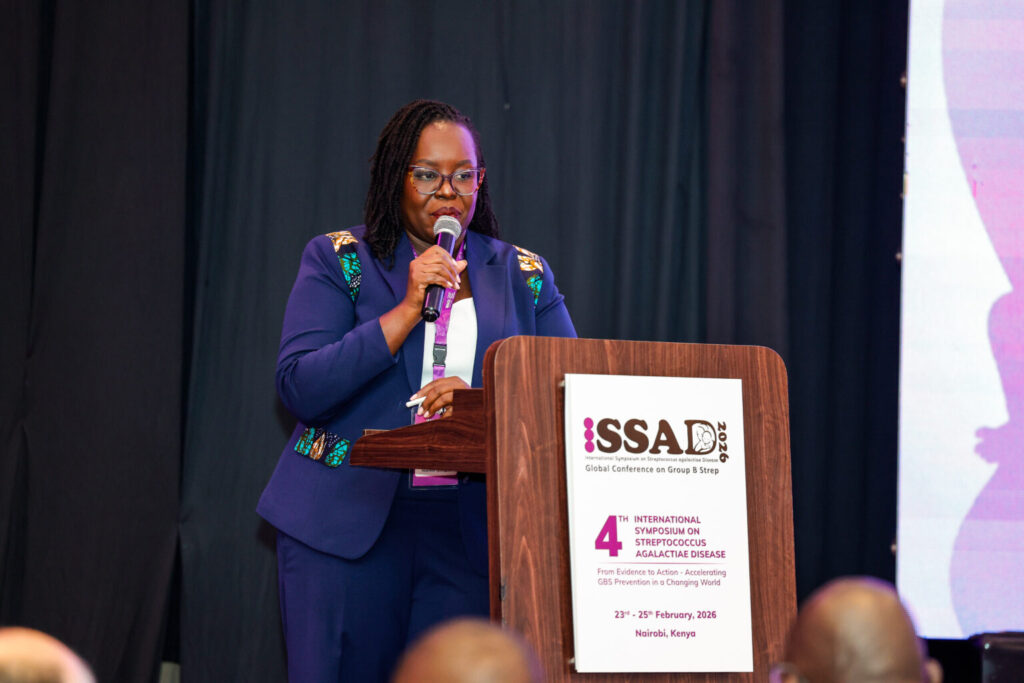
Speaking during the opening session, the Chairperson, Dr Hellen Barsosio, a Clinical Research Scientist at the Kenya Medical Research Institute and the Liverpool School of Tropical Medicine (KEMRI-LSTM), described hosting ISSAD 2026 in Nairobi as a transformative opportunity to elevate the voices and lived experiences of communities most affected by GBS disease.
She noted that the conference features several researchers from low- and middle-income countries, a critical step toward advancing more equitable global health dialogue.
“This is particularly important because the burden of GBS is heaviest in these settings,” she said.
A Persistent Global Health Threat
Group B Streptococcus continues to pose a major global health challenge. An estimated 18–20 million pregnant women, roughly one in five globally, carry GBS each year. The bacterium is responsible for approximately 400,000 cases of invasive disease annually in infants, including sepsis and meningitis, and is linked to an estimated 91,000 infant deaths and 46,200 stillbirths worldwide.
East Africa bears some of the highest GBS burdens globally, underscoring the urgency of strengthening localised research, prevention strategies, and vaccine development efforts.
GBS causes severe infections in newborns, including sepsis, pneumonia, and meningitis, and is increasingly recognised as a threat to adults, particularly pregnant women, older persons, and individuals with weakened immune systems.
Maternal Health at the Centre of Prevention
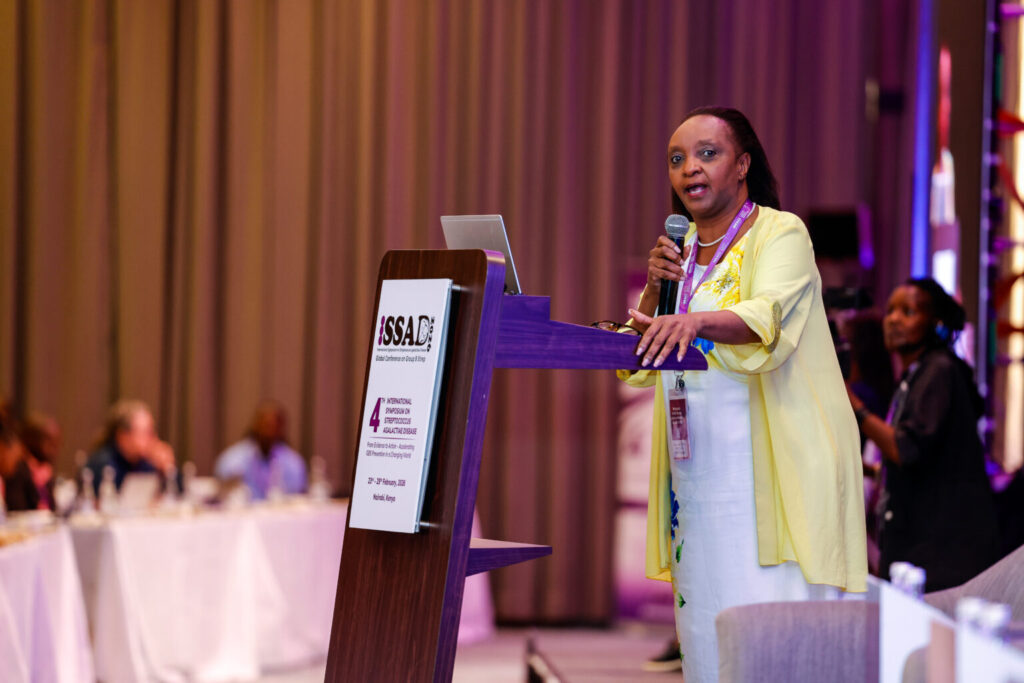
Adding her voice to the discussion, Professor Anne Kihara of the University of Nairobi emphasised that improving newborn survival must begin with protecting maternal health.
“The mother and the newborn are intricately interconnected. When we safeguard the mother during pregnancy, we improve the chances of a healthy baby,” she said.
Prof. Kihara noted that Kenya remains off track in meeting Sustainable Development Goal targets on maternal and newborn mortality. She called for stronger collaboration among midwives, obstetricians, paediatricians, and public health specialists.
“Expanded antenatal care, disease screening, and preventive interventions, including maternal immunisation, are crucial in addressing infections such as GBS that can pass from mother to child before or during birth,” she emphasised.
Vaccine Gap and Regional Leadership
Despite decades of research, no licensed vaccine currently exists. Current prevention strategies largely rely on administering antibiotics during labour to reduce newborn infections, an approach that remains difficult to implement consistently in many resource-constrained settings.
Nairobi’s selection as host city reflects Kenya’s growing stature as a regional health innovation hub, supported by world-class research infrastructure, strong institutional partnerships, and direct global connectivity.
The conference has secured backing from the Kenya Medical Research Institute (KEMRI) and the Kenya Ministry of Health, underscoring national commitment to advancing maternal and newborn health outcomes.
Hosting ISSAD in the region not only highlights the disproportionate burden carried by East Africa but also creates critical opportunities for collaboration among frontline healthcare providers, policymakers, researchers, and affected communities, reinforcing Africa’s central role in shaping global health solutions.
With representation from 40 countries, the conference, which began on 23rd February and runs through 25th February, brings together a multidisciplinary community committed to ending preventable GBS disease.