

By Mical Imbukwa
For any nation to truly thrive, its strength must rest not only on laws and institutions, but on the values that shape its people. Love, integrity, peace, patriotism, unity, respect, responsibility, and social justice are more than abstract ideals: they are habits of heart and mind that, when nurtured early, become the quiet forces that transform a country from within.
Kenya is taking deliberate steps toward this vision through its Value-Based Education initiative. Piloted nationwide in 79 schools, the program is already showing promising results, revealing what becomes possible when character formation is woven into the fabric of learning.
At Ngei Primary School in Langata, one of the schools where the pilot was conducted, the morning bell rings, but Head Teacher Mary Macharia no longer worries about littered classrooms or teachers lagging behind schedule. Instead, she watches as students voluntarily tidy the compound and teachers arrive promptly, guided by an internal compass of responsibility and honesty.
“I am a very happy head teacher,” she beamed, describing values becoming second nature.
The promising findings of this great pilot were unveiled at the Kenya Institute of Curriculum Development (KICD), charting a course for its nationwide implementation.
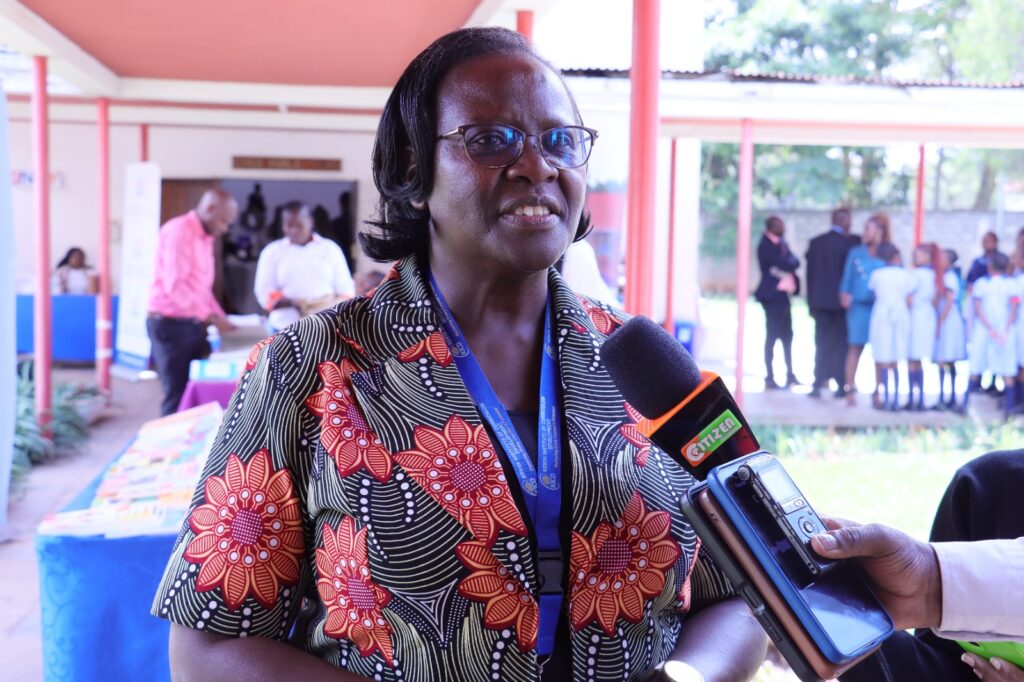
“We are answering to the Constitution, specifically Chapters 6 and 10 on governance and leadership,” Dr Jacqueline Onyango, Senior Deputy Director in charge of basic education curriculum development, explained, anchoring the program in Kenya’s national vision.
The programme adopts the whole-school approach, which requires that as learners internalise values, they enact them within a supportive ecosystem that includes teachers, staff, parents, and the wider community.
The pilot’s three-phase structure, baseline, midline, and end-line surveys, tracked a tangible evolution. Initially, while teachers were teaching values, a gap persisted between classroom instruction and practice at home and in the community.
“Targeted training on eight core values mainstreamed in the curriculum, coupled with school-level monitoring tools, sparked a shift, and the most notable change was the involvement of the learners,” Dr Onyango noted, highlighting the cornerstone of the Competency-Based Curriculum (CBC). “This is learner-centred not just in teaching, but in practice.”
The end-line results were compelling as they reported reductions in bullying and property damage, increased student responsibility, and the emergence of student-led conflict resolution.
Parents began noticing changes at home, while teachers reported a positive transformation in their own professional conduct and collaboration.
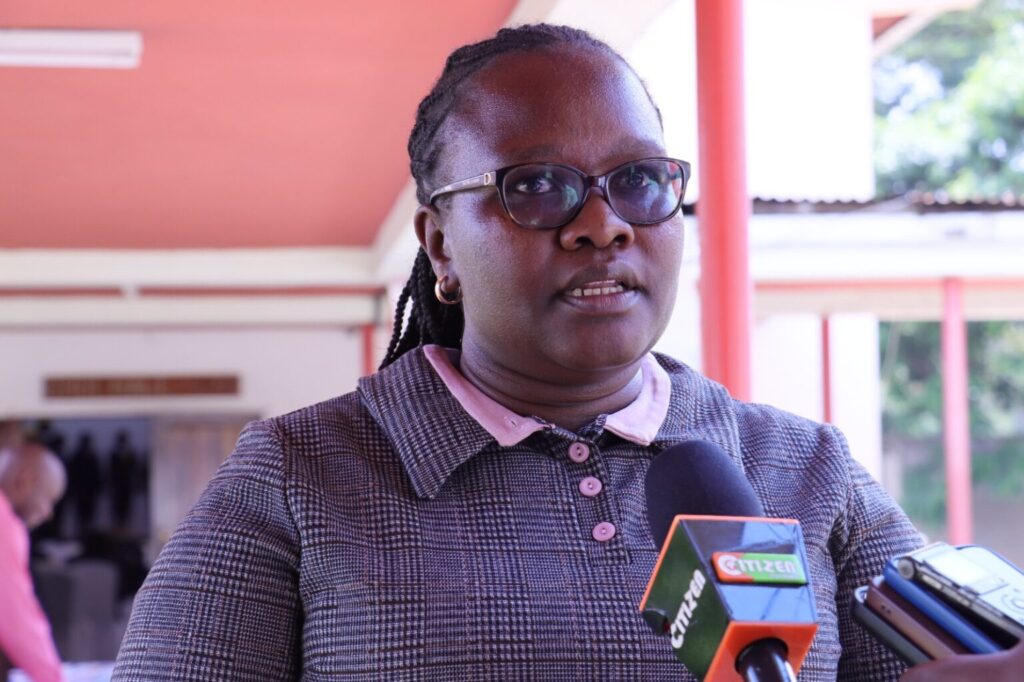
Elizabeth Owiti, Program Manager at Zizi Afrique Foundation, a key partner in the pilot, emphasised the evidence-based approach.
“We believe in evidence. Schools are already reporting real change; learners are now taking responsibility for any breakages in school, something they didn’t do willingly in the past. Learners are also resolving conflicts on their own and keeping their environment clean without supervision,” she said, adding, “This is the kind of society we envision: one where citizens are accountable and self-driven.”
Both Dr. Onyango and Owiti stressed the non-negotiable “whole-school approach.” From the watchman to the cook, the head teacher to the parent, everyone must embody the values.
“The leadership plays a vital role as champions,” Owiti stated. “If the cook speaks vulgar language, it’s normalised. If they speak respectfully, that becomes the culture.”
Head Teacher Mary Macharia is a living testament to this philosophy. “We must be the face of the values, walking the talk,” she asserted.
According to her, children cannot live the values unless they see the role modelling from the teachers and support staff.
“From the very beginning, we agreed with the team that we had to model the change we wanted to see in the children. That meant managing our time well and minding how we spoke to them, because that’s the change we want to cascade down to them,” she said, adding, “It’s been a rewarding journey, watching the teachers rise to that responsibility.”
The school fosters this culture through a simple but powerful incentive: weekly badges awarded to students who live out its values. “The children love that recognition,” notes Madam Macharia.
Because the badges are scarce, they have become a coveted honour, spurring healthy competition as pupils strive to earn them.
In full commitment to the whole-school philosophy, Ngei Primary School included every grade in the program. Administrators reasoned that a piecemeal rollout would create gaps where old habits could resurface, ultimately diluting the program’s transformative impact.
Addressing Challenges and the Road Ahead:
The path forward is deliberate. Dr Onyango outlined a strategy that leverages existing structures, particularly through parental empowerment, a key pillar of the curriculum reform.
“The child needs to be in a frame where the school and family support each other,” she said, referencing ongoing sensitisation efforts with parents’ associations in 23 counties.
When asked if earlier implementation could have mitigated current societal issues among youth, Dr Onyango acknowledged the possibility but focused on the program’s systemic power. “The school system brings children together. It is easy to use them as influencers to help us rework how we do things.”
The next steps are clear: a national rollout requiring massive capacity building for teachers, curriculum support officers, and the development of scalable resource materials.
The urgency is underscored by the pioneer CBC class moving from Grade 9 to 10, ready to transition values from a learned component to a practised one.
“This wraps up what the curriculum reform is all about,” Dr Onyango concluded. “We believe as we do this, we can get that engaged, empowered, and ethical learner, who is basically a Kenyan citizen.”
Madam Mary Macharia echoed the sentiments with a simple but powerful conviction: “The duty now is to cascade this beautiful thing from 79 pilot schools to the heart of every learning institution in Kenya, one value at a time.”