By Victoria Musimbi
The high cost of certified indigenous tree seeds, limited farmer demand and preference for exotic varieties are slowing efforts to restore degraded landscapes in Eastern Africa. Nursery operators also face challenges accessing quality planting materials and the technical knowledge needed to produce healthy seedlings.
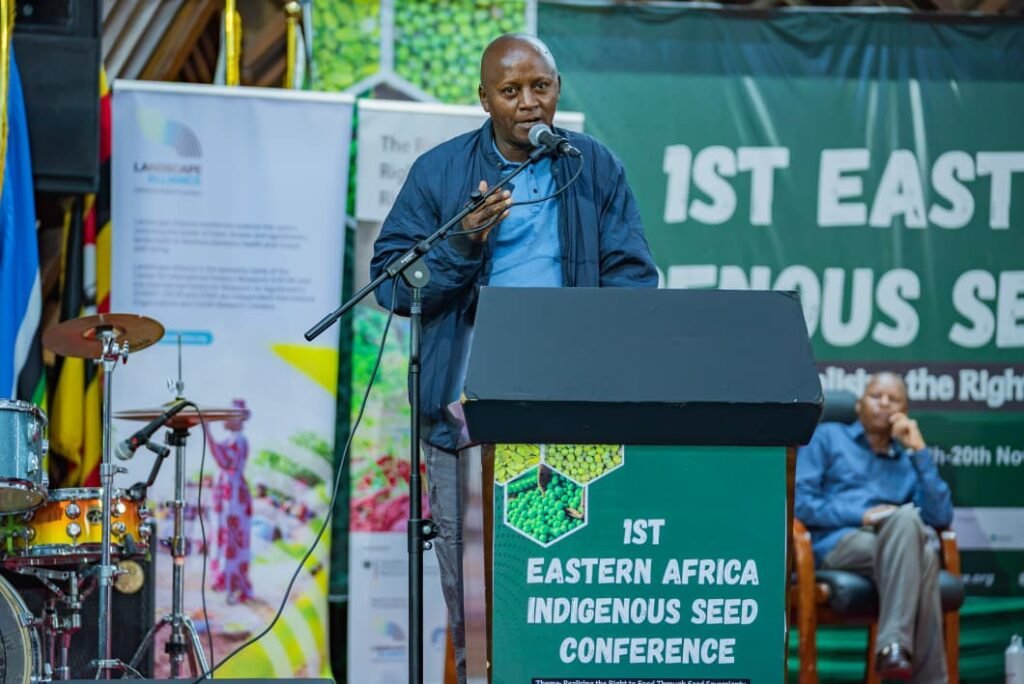
These challenges and possible solutions featured during the first Eastern Africa Indigenous Seed Conference in Nairobi, convened by Seed Savers Network. The conference brought together farmers, seed custodians, researchers, policymakers, civil society organisations and development partners to strengthen farmer-managed seed systems and advance seed sovereignty.
Discussions highlighted the importance of improving access to quality seeds, strengthening community participation and applying scientific knowledge to ensure restoration initiatives deliver lasting benefits.
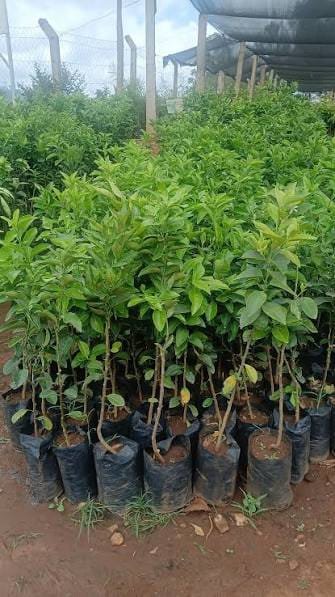
In Makueni County, Paul Mwanza, co-founder and Chief Executive Officer of Palma Mukuyuni Tree Nursery, is demonstrating how partnerships, farmer education and improved nursery practices can help address these challenges.
Mwanza established the nursery with his wife, Mary, in 2016. He said the high cost of certified seeds and limited farmer appreciation of indigenous trees remain major obstacles to nursery operators.
“Certified seeds are expensive, and actually many people don’t like spending money on trees. But these seeds produce good results,” he said.
To secure quality planting materials, Palma partnered with the Kenya Forestry Research Institute (KEFRI) and other registered private seed suppliers. The nursery also established arrangements with the Kenya Forest Service to obtain suitable soil for raising seedlings.
Changing farmers’ preference for exotic trees was another challenge, with some believing indigenous varieties take longer to grow. The nursery responded through farmer education, highlighting the benefits of indigenous trees in improving soil structure, supporting environmental conservation and providing food.
“We started educating people to show them the importance of planting the right indigenous trees,” he said.
The nursery’s collaboration with Landscape Alliance also helped improve its production practices. Through training supported by the organisation, workers gained skills in seedling management, watering, growth monitoring and identifying pests and diseases. They also learnt the importance of developing healthy root systems to produce stronger seedlings.
These improvements have supported the nursery’s growth. Since 2023, Palma has been producing more than one million indigenous seedlings annually. Mwanza recalled an instance when 250,000 seedlings were dispatched in less than three days, demonstrating the demand for quality native trees.
“We dispatched those ones because of demand within less than three days, 250,000 seedlings,” he said.
The enterprise has also created employment opportunities, including 64 women working during the day, supported by 25 men, while another 40 men work at night, mainly handling logistics and seedling distribution.
“The market is there. If you do the right thing, the market is there,” Mwanza said, encouraging other nursery operators not to be discouraged by the challenges.
While Palma’s experience demonstrates how partnerships and technical training can strengthen indigenous tree production, successful landscape restoration also depends on selecting species and seed sources suited to local environmental conditions and future climate patterns.
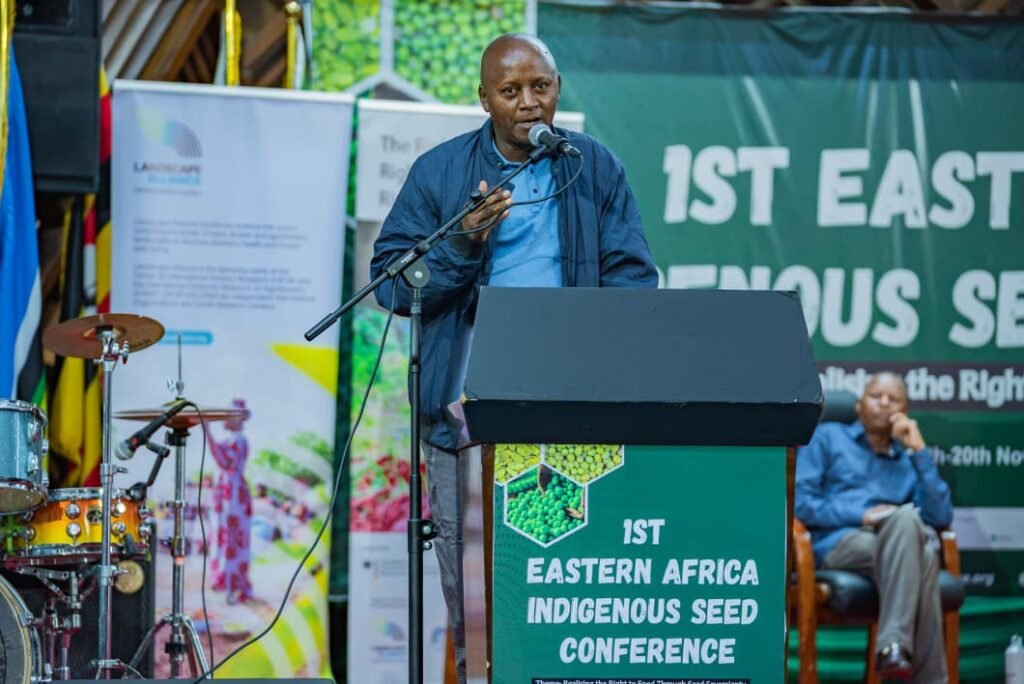
Sammy Carsan, Agroforestry Specialist at Landscape Alliance, said decisions about seed selection have long-term implications for the survival and resilience of restored landscapes, particularly as climate change alters temperatures and rainfall patterns.
He emphasised that restoration practitioners must consider not only current environmental conditions but also the climate in which planted trees will grow in the coming decades.
“The tree you plant today has to survive the climate of future years. And that depends on the seed you choose today,” he said.
Carsan noted that choosing suitable seed sources requires understanding species characteristics, local environmental conditions and how these are likely to change. Without this knowledge, restoration initiatives risk investing in trees that may struggle to survive as climatic conditions shift.
Applying this scientific knowledge requires reliable information to guide decisions on which species to plant and where. Digital tools are helping practitioners make these decisions.
Roeland Kindt, Senior Ecologist at Landscape Alliance, showcased digital tools developed by the organisation, including the Global Useful Native Trees (GlobUNT) database, which provides information on useful tree species and supports the identification of suitable species for different locations.
“The underlying principle is simple. We need to have the right tree in the right place, using the right seed source. And digital tools are helping us to do that,” he said.
He explained that the tools help practitioners identify suitable native species, assess their suitability under different climatic conditions and select appropriate seed sources for specific planting locations.
Beyond their ecological benefits, indigenous trees offer opportunities to strengthen rural economies through seed collection, nursery enterprises and the supply of planting materials for restoration.
Strengthening indigenous tree seed systems will require investment in quality seeds, access to scientific knowledge and support for farmers and community-based enterprises. Combining these efforts can help conserve biodiversity, create livelihoods and restore landscapes capable of withstanding future climate challenges.